


UNDP and Japan mark conclusion of Aqaba and Wadi Rum project creating opportunities for more than 2,000 young people

UNDP and Japan mark conclusion of Aqaba and Wadi Rum project creating opportunities for more than 2,000 young people
Aqaba, Jordan — 30 September 2026 — The United Nations Development Programme (UNDP) and the Government of Japan today marked the conclusion of the "Mitigating Juvenile Crime Incidents in Aqaba and Wadi Rum - Advancing the roles, participation and protection of women, youth and vulnerable groups” Project, which supported five civil society organizations through the Community Security Grants Mechanism to create opportunities for young people through Creative and Cultural Industries.
Working across Aqaba and Wadi Rum, the Community Security Grants Mechanism supported more than 1,600 young women and men through 27 community-led initiatives and 90 additional activities including trainings and capacity building, the creation of safe spaces, dialogue and awareness-raising sessions, and awareness messaging. The activities focused on three thematic areas: community and cultural empowerment; tourism, environment and green economy; and digital resilience and creative innovation.
These activities used culture, creativity and local knowledge as practical entry points to help young people develop skills, explore economic opportunities and play a more active role in their communities. As well as enhanced whole-of-society dialogue processes and stakeholder capacities to effectively prevent juvenile crime in Aqaba and Wadi Rum.
The programme was informed by research conducted with 587 young people in Aqaba and Wadi Rum on their priorities, experiences and perceptions of community security. The findings helped shape the programme’s capacity-building activities and grant themes, allowing participating organizations to translate locally identified priorities into practical initiatives.
The results and lessons were presented at the Second Creative Pathways Forum in Aqaba, which brought together young people, community organizations, government institutions and other local partners to examine how successful approaches can be sustained, strengthened or replicated beyond the programme.
The project also supported the refurbishment of a temporary centre for the Community Peace Centre (CPC) in Aqaba, strengthening its capacity to engage with young people and local communities. CPC played a key role in the project’s awareness campaign through awareness-raising workshops, collaboration with community partners, and media and podcast training focused on crime prevention and social issues affecting young people, resulting in three podcast episodes. These efforts complemented the community-led initiatives by strengthening dialogue and engaging young people in sharing messages that support safer, more inclusive communities.
"We hope that this project, which complements national efforts, including Economic Modernization Vision, Aqaba Social Master Plan as well as Aqaba Vision 2040, has contributed to strengthening inclusive, community-based resilience and social stability in Aqaba and beyond,” said Keiko Matsuzaki, Head of Economic and Development Cooperation, Embassy of Japan.
"Creative and cultural industries can open practical pathways for young people to build skills, pursue economic opportunities and participate in shaping the future of their communities,” said Baker al-Hiyari, Head of Governance and Peacebuilding, UNDP Jordan. "By investing in local organizations and ideas rooted in Aqaba and Wadi Rum, we are creating opportunities for young women and men while showing how community-led solutions can contribute to more inclusive and sustainable local development.”
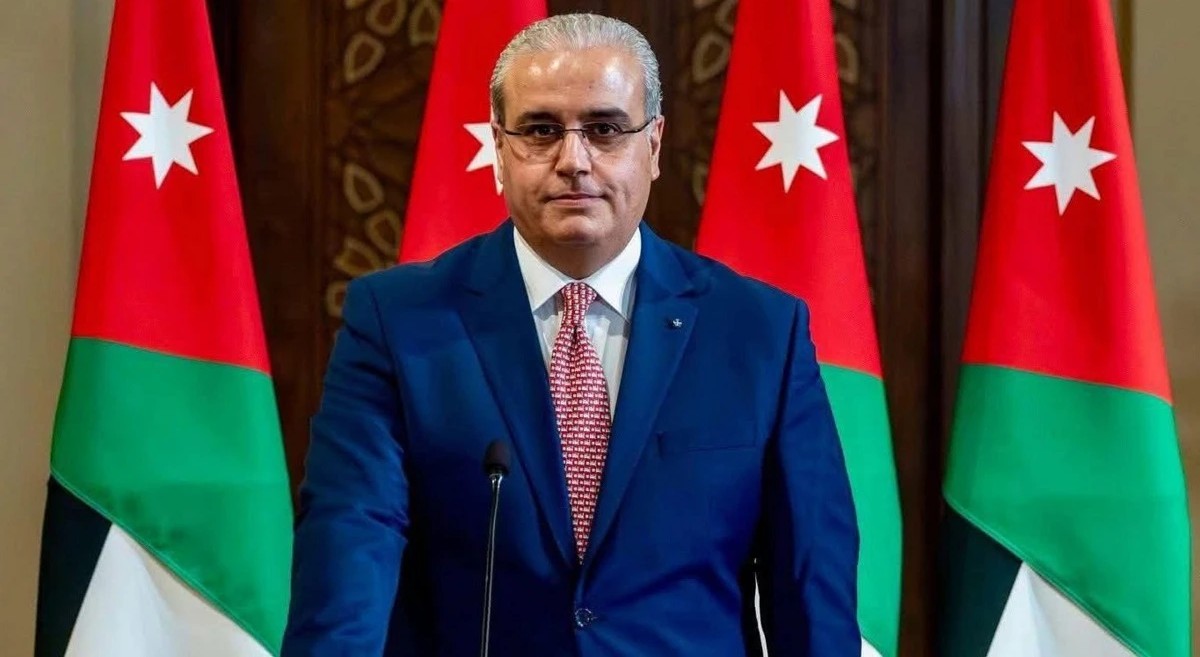
Al-Awaisheh emphasized the importance of the partnership with United Nations Development Programme (UNDP), particularly in development, planning and modernization, and expressed his commitment to continuing cooperation with partners to promote good governance.
He also commended Japan and UNDP for providing development support aligned with Jordan’s comprehensive modernization vision, alongside the role of the Aqaba Special Economic Zone Authority in supporting development projects and protecting marine life in Aqaba. [YZ1]
On behalf of the Aqaba Special Economic Zone Authority, Mr. Wasim Al-Jarabaa, Director of Community Development, said: "The inspiring initiatives we see today, implemented by neighborhood teams on the ground, are conclusive proof that our community members are the primary drivers of positive change. These teams have proven that community work rooted in the heart of neighborhoods is capable of meeting actual needs and turning challenges into real opportunities."
Representatives of the five participating civil society organizations shared the community-led initiatives they delivered, the communities they reached and lessons from implementation. Discussions also explored how experience generated through the programme can inform future policies, institutional practices and coordination to strengthen youth engagement, social cohesion and community security.
Funded by the Government of Japan and implemented by UNDP in cooperation with local and national partners, the programme brought together community action, research and institutional collaboration to respond to priorities identified by young people themselves.
The closing forum also provided an opportunity to look beyond the programme, identifying ways for government institutions, civil society and communities to build on effective approaches and continue creating opportunities for young people in Aqaba and Wadi Rum.
[YZ1] Review translation